Venzowood

Different Cuts of Wood Veneer: A Complete Guide for Architects, Interior Designers, and Homeowners

When selecting the perfect wood veneer, species is only part of the story. The way a log is sliced dramatically influences the grain pattern, texture, and overall visual appeal. Understanding the different cuts of veneer is essential for architects, interior designers, and homeowners looking to create distinctive, high-end interiors.

From sleek contemporary spaces to richly detailed classic interiors, the cut of veneer plays a defining role in the final aesthetic. In this guide, we explore the most popular types of wood veneer cuts and how each one transforms a space.

What Are Veneer Cuts?

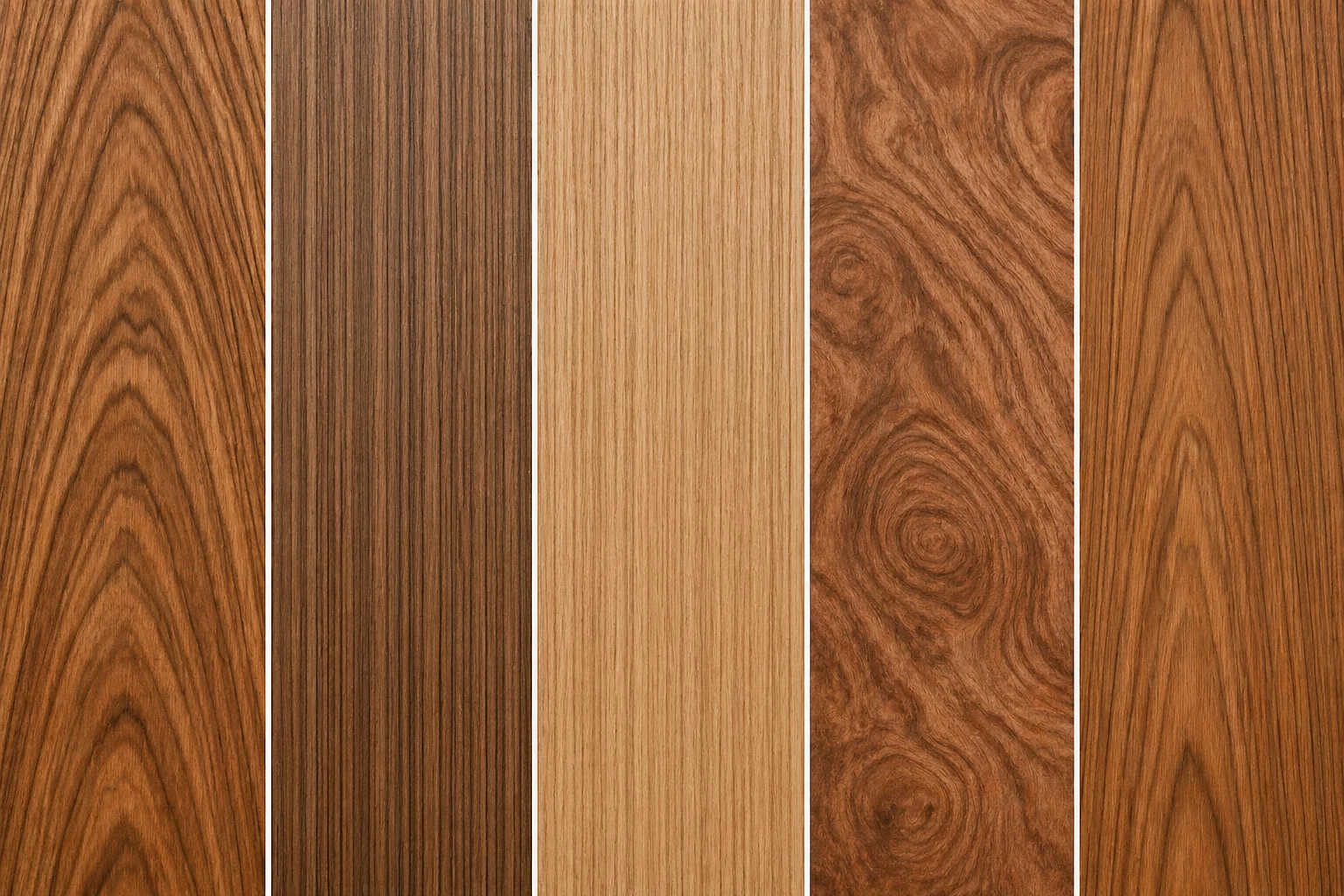
Wood veneer is produced by slicing thin sheets from a log. The angle and method of slicing determine the grain pattern, figure, and appearance of the veneer. This process allows designers to achieve a wide variety of looks from a single wood species.

Choosing the right veneer cut can elevate furniture, wall paneling, doors, wardrobes, and custom millwork, making it a critical design decision.

Crown Cut Veneer

Crown Cut Veneer

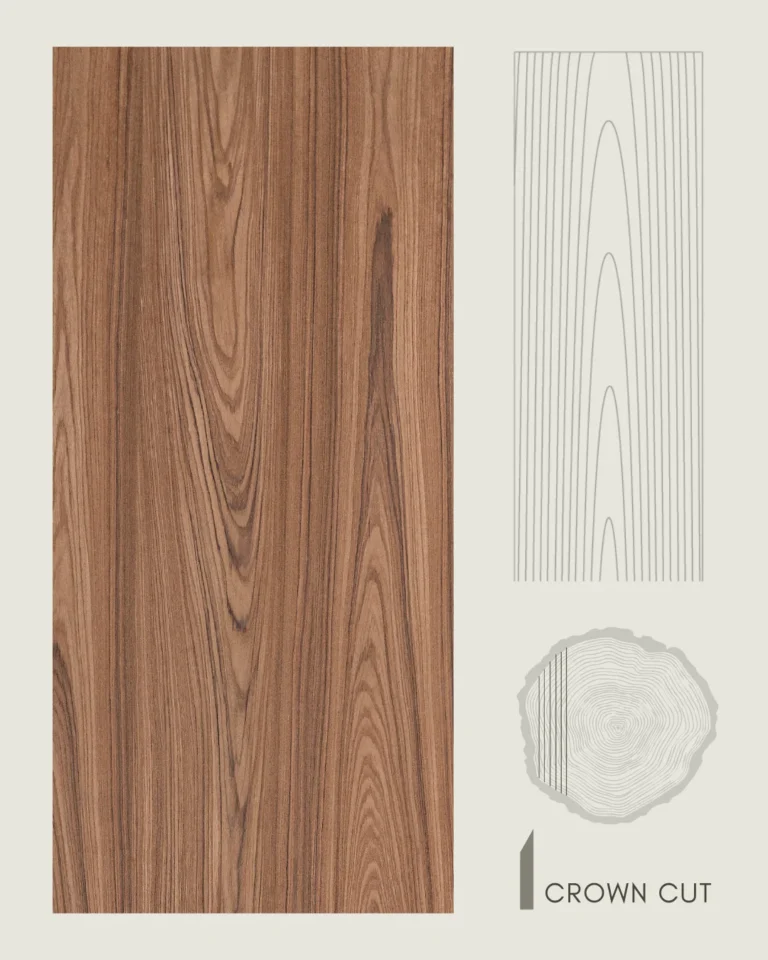
Crown cut veneer, also known as flat cut veneer, is one of the most widely used veneer cuts in interior design.

Characteristics:

  • Produces cathedral-like grain patterns
  • Creates flowing, dramatic visuals
  • Offers excellent variation and movement


Best Applications:

  • Feature walls
  • Luxury wardrobes
  • Statement furniture
  • Executive cabins

Crown cut veneer is highly preferred in residential and commercial interiors where warmth and natural character are desired. Its bold grain patterns make it a timeless choice for premium spaces.

Quarter Cut veneer

Quarter Cut Veneer

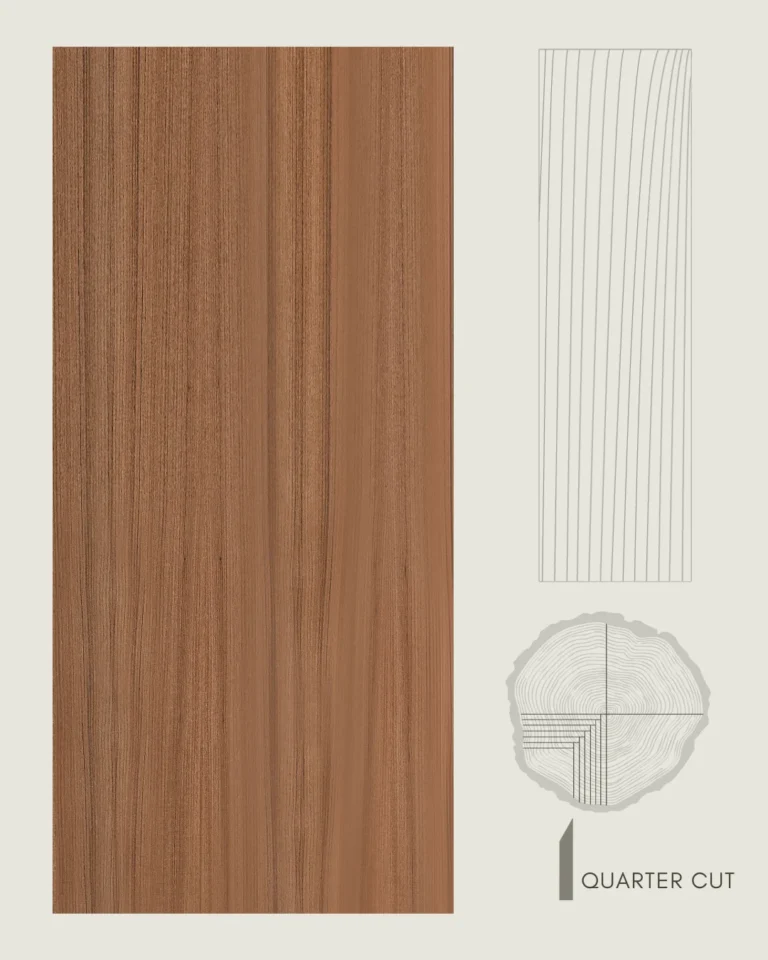
Quarter cut veneer is sliced at a right angle to the growth rings, resulting in straight, uniform grain lines.

Characteristics:

  • Linear grain pattern
  • Minimal figure variation
  • Sophisticated and contemporary appearance

Best Applications:

  • Modern offices
  • Minimalist interiors
  • Wall cladding
  • High-end cabinetry

Architects often choose quarter cut veneer for projects that require precision, symmetry, and understated elegance.

Rotary Cut Veneer

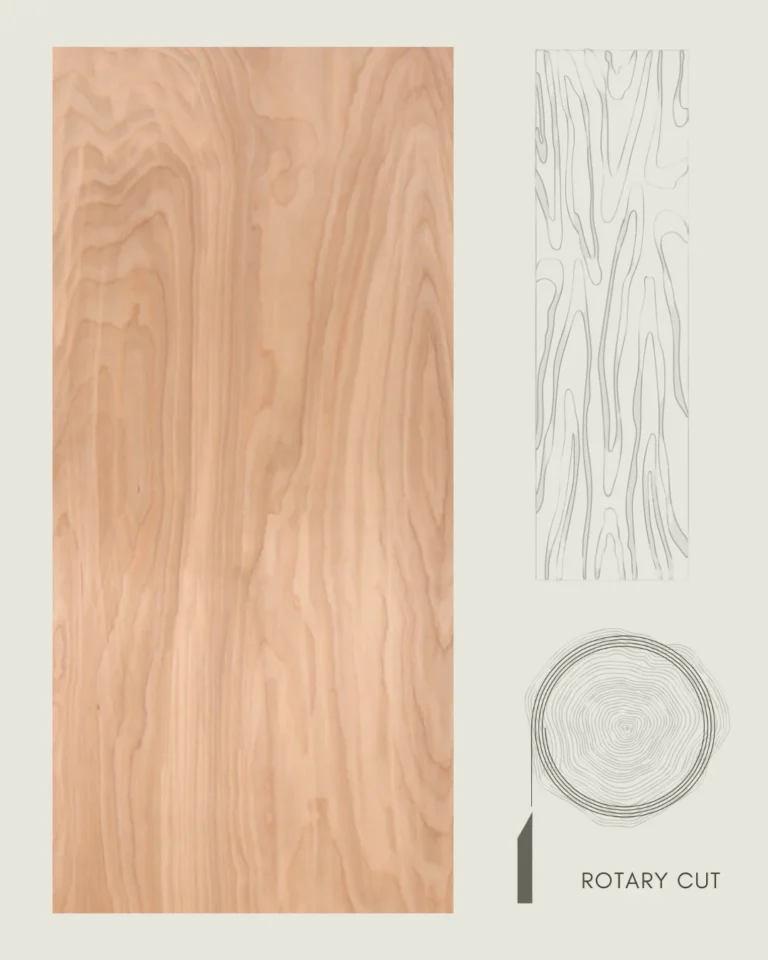
Rotary cut veneer is created by rotating the log against a blade, much like unrolling paper.

Characteristics:

  • Bold, broad grain patterns
  • Maximum yield from each log
  • Highly decorative appearance

Best Applications:

  • Plywood manufacturing
  • Decorative panels
  • Large surface applications

Rotary cut veneer offers dramatic visuals and efficient material utilization, making it a versatile option.

Why Veneer Cut Matters in Interior Design

The veneer cut directly impacts:

  • Visual continuity
  • Grain consistency
  • Spatial aesthetics
  • Light reflection
  • Overall project character

A quarter cut veneer may suit a minimalist corporate office, while a crown cut veneer can bring warmth and movement to a luxury residence.

Selecting the right veneer cut ensures the material aligns perfectly with the design intent.

How to Choose the Right Veneer Cut

Consider the following factors:

Design Style

  • Modern interiors: Quarter cut or rift cut
  • Classic interiors: Crown cut or plain sliced

Application Area

  • Large surfaces benefit from consistent grains
  • Feature elements can embrace dramatic figuring

Desired Mood

  • Calm and refined: Straight grain veneers
  • Bold and expressive: Cathedral grain veneers

Venzo: Premium Veneers Crafted for Design Excellence

At Venzo, every veneer is carefully curated to meet the highest standards of quality, consistency, and aesthetics. Our collection features an extensive range of crown cut, quarter cut and rotary cut veneers sourced from the finest forests across globe.

Whether you are designing a luxury residence, a commercial workspace, or bespoke furniture, Venzo offers veneers that align with your creative vision.