Venzowood

How Veneer Is Made: From Forest to Interior

Wood has always held a special place in design. Its warmth, texture, and natural character can transform an ordinary space into a timeless interior. But behind every veneered wall panel, bespoke furniture piece, or statement door lies a fascinating manufacturing process — one that begins long before the material reaches your home. In this guide, we break down exactly how veneer is made, step by step, from responsibly sourced forests to the polished surfaces in luxury interiors.
What Is Wood Veneer?
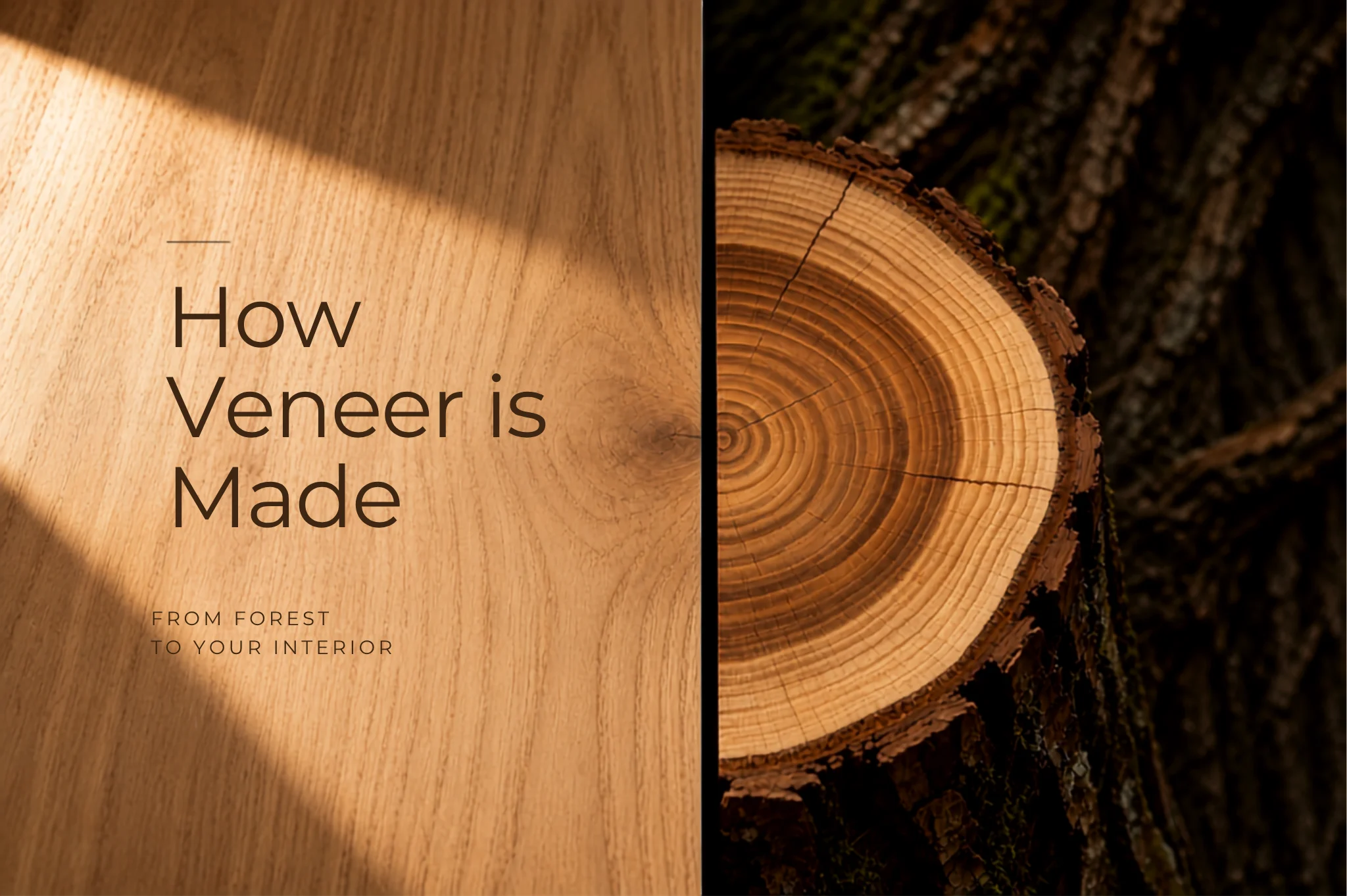
Veneer is a thin layer of natural wood bonded to a stable substrate, such as MDF or plywood. It allows designers to preserve the authentic beauty of solid wood while gaining greater flexibility, consistency, and sustainability in interior applications — from furniture and cabinetry to wall cladding and architectural millwork. Unlike solid timber, veneer lets manufacturers extract far more usable material from a single log, making it one of the more sustainable wood veneer options available for high-end design.

Step 1: Sourcing Trees From Managed Forests

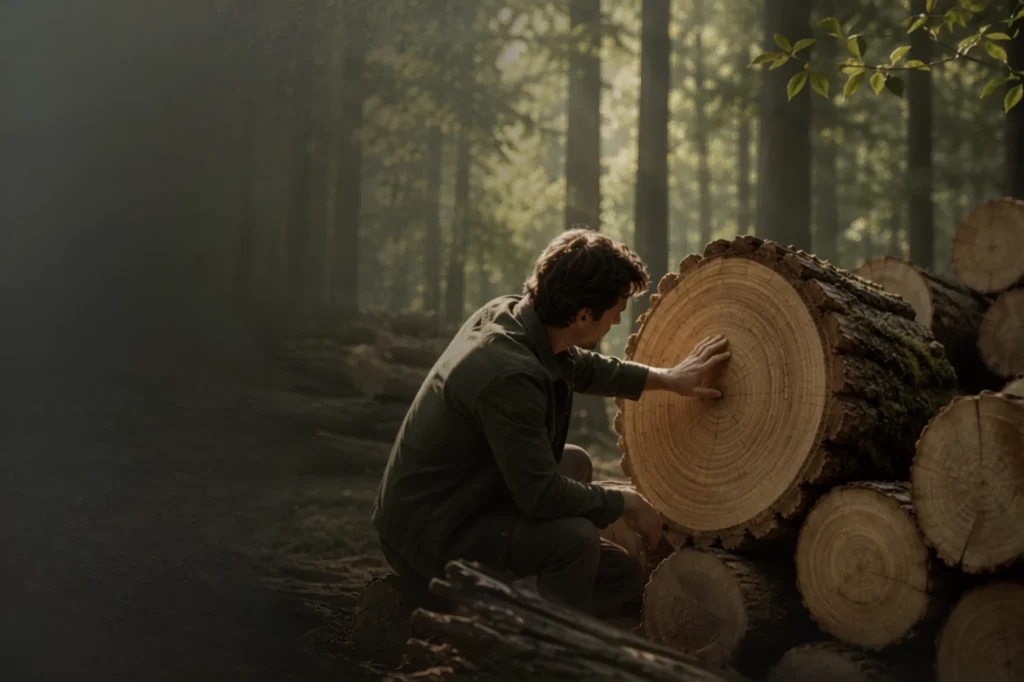
Every sheet of veneer starts as a carefully selected tree. Unlike timber destined for structural use, veneer logs are chosen specifically for their visual character — grain pattern, colour variation, and figure.

Responsible sourcing is central to modern veneer production. By maximizing the yield from each log, manufacturers use valuable timber resources more efficiently, reducing pressure on forests while still delivering authentic wood aesthetics.

Step 2: Selecting and Grading the Logs

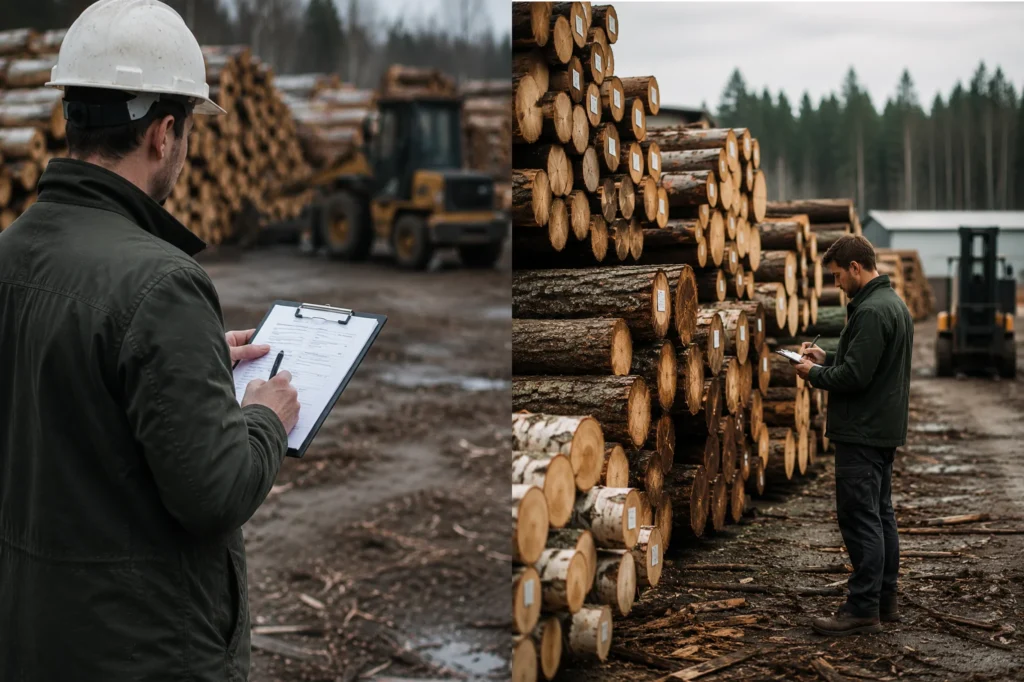
Not every tree becomes veneer. Once harvested, logs are inspected and graded by species, grain consistency, diameter, and overall quality. Every knot, swirl, and streak in the wood will eventually show up on the finished sheet, so this stage is as much about artistic judgment as technical assessment. Species commonly selected for premium architectural and interior projects include:

  • Walnut — rich, dark tones with dramatic grain
  • Oak — strong, classic grain with excellent durability
  • Ash — light, contemporary look with bold figure
  • Teak — warm colour and natural water resistance
  • Exotic species — used for statement pieces and bespoke design

Step 3: Preparing the Logs for Slicing

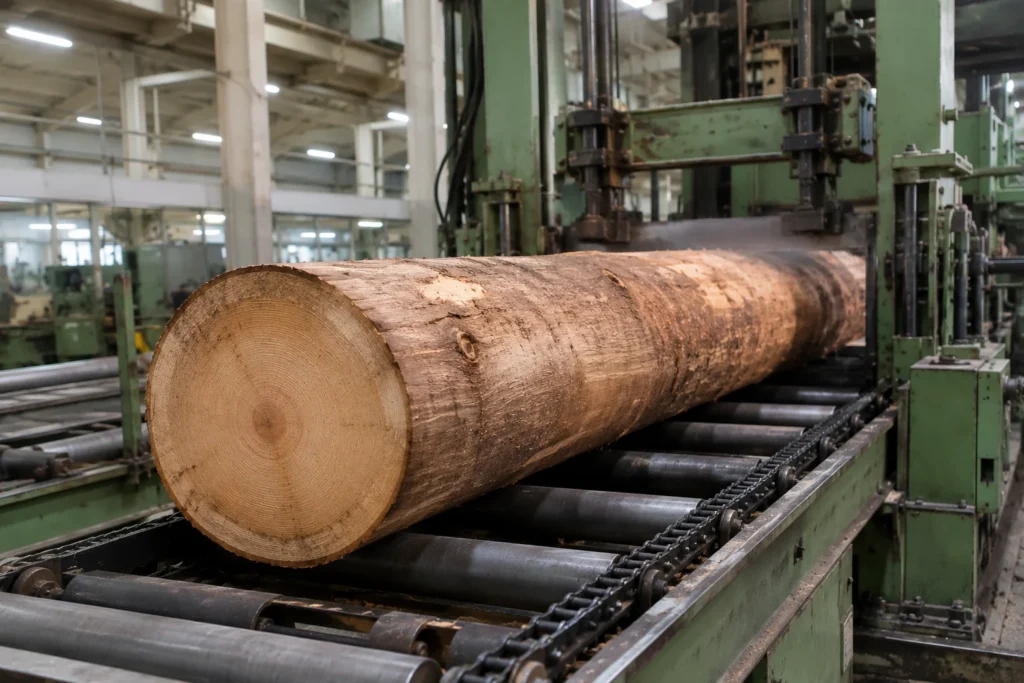
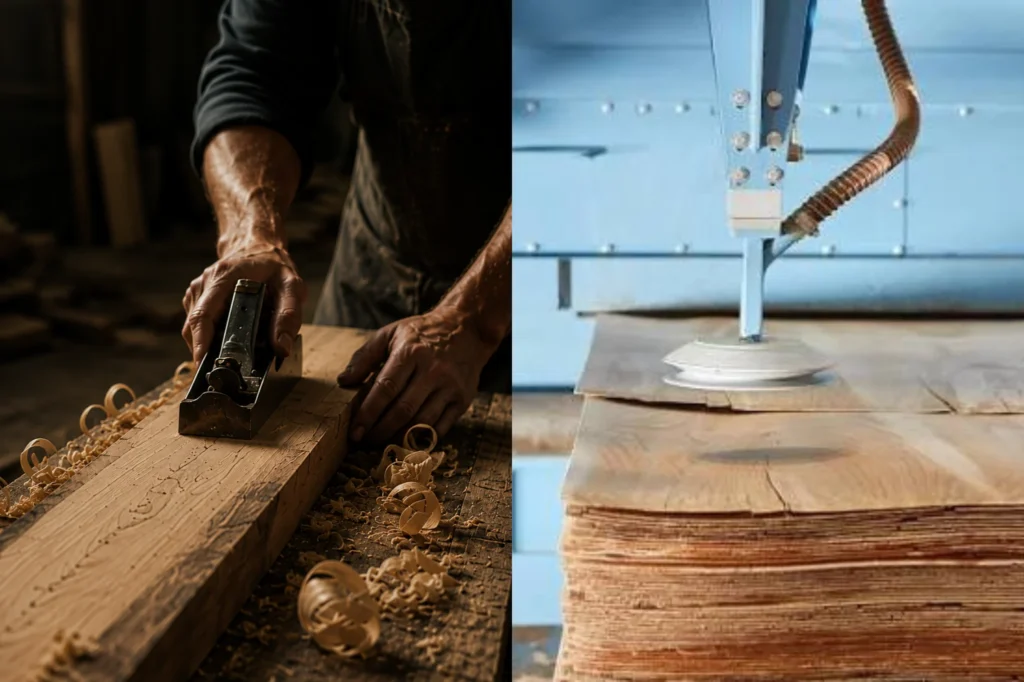
Before slicing, logs are conditioned through steaming or soaking. This softens the wood fibres, allowing them to be sliced smoothly without tearing or damaging the grain. Proper conditioning at this stage is what allows the wood's natural character to come through cleanly in the finished veneer.

Step 4: Slicing, Drying, and Grading the Veneer

Freshly sliced veneer retains natural moisture and must be carefully dried to ensure dimensional stability. Once dried, each sheet is inspected and graded again — this time for colour consistency, grain quality, and overall appearance.

Modern drying and grading technology has made it possible to produce highly consistent, refined veneer sheets while still preserving the authentic look of natural wood.

Step 5: Matching the Grain for Visual Impact

This is where veneer becomes art. Individual sheets are arranged using techniques such as:

  • Book matching — mirrored sheets create a symmetrical, flowing pattern
  • Slip matching — sheets are placed side by side in sequence, repeating the grain
  • Sequence matching — consecutive sheets from the same log are used across a large surface for continuity

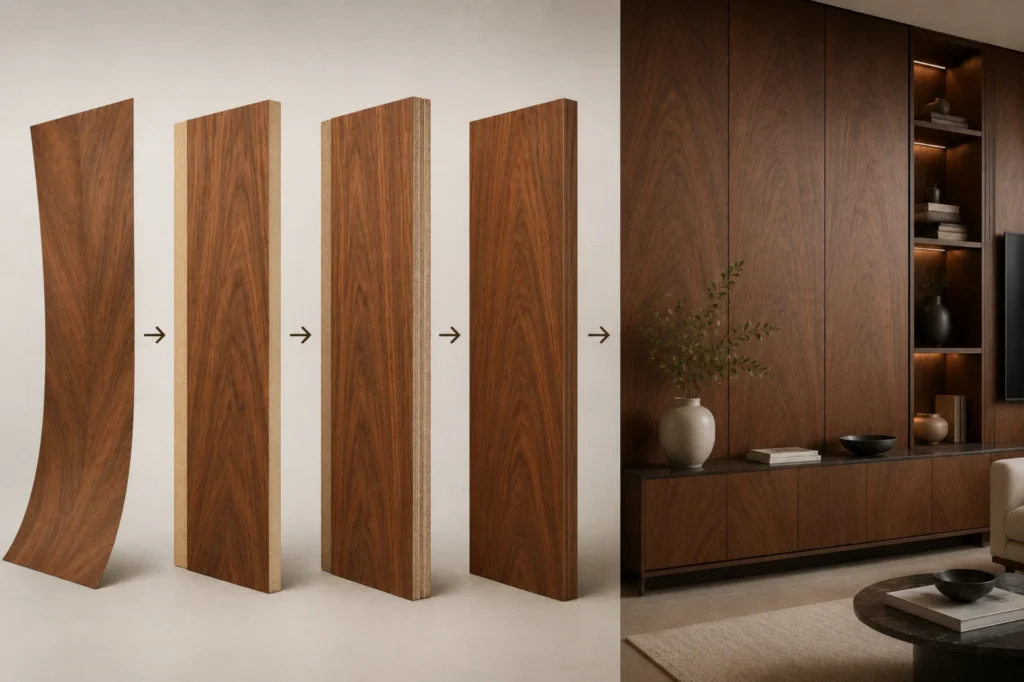
These matching techniques allow grain patterns to flow seamlessly across walls, doors, and furniture, creating a cohesive visual experience rather than a simple surface finish. Once matched, veneer sheets are bonded to engineered substrates like MDF or plywood. This combination offers the stability of an engineered panel with the authentic appearance of natural wood. The bonded panels are then sanded, finished, and coated with protective layers that enhance durability while highlighting the natural richness of the grain. This is also why veneer performs more consistently over time than large solid-wood panels, which are more prone to warping and expansion.

The Final Destination: Your Interior

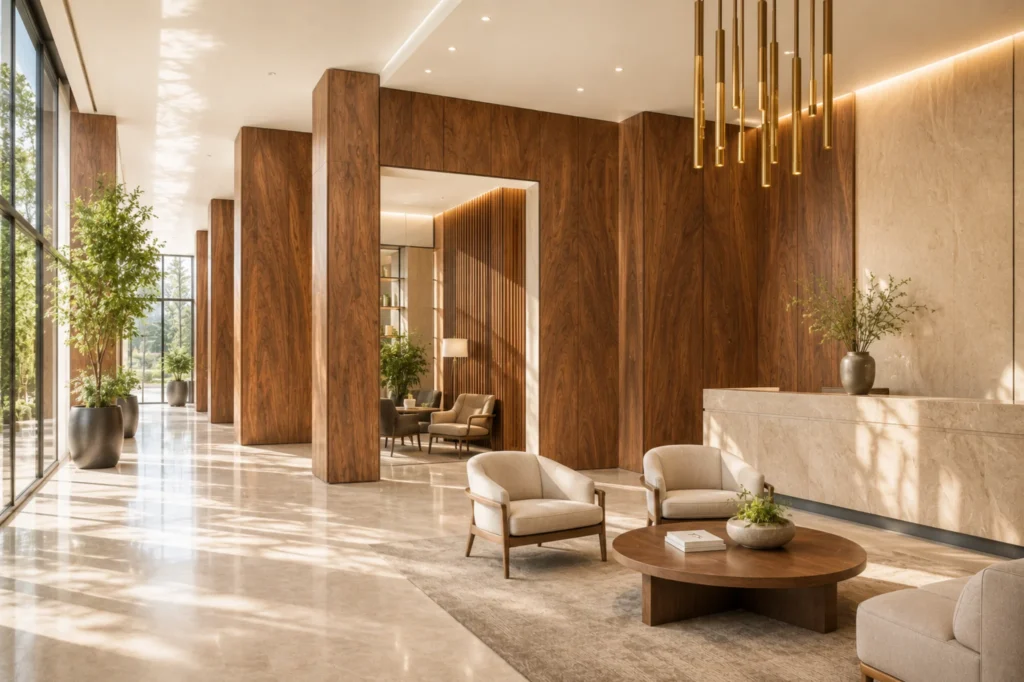
What begins as a single tree in a managed forest ultimately becomes part of a living space a statement wall, a handcrafted table, an executive office, a boutique hotel lobby. Every veneered surface carries the story of natural growth, skilled craftsmanship, and thoughtful design.

From forest to interior, veneer bridges the gap between natural beauty and modern design rooted in tradition, refined through technology, and built to remain a timeless choice for spaces that value elegance and character.