
Marquetry Veneer: Where Wood Becomes Artistry

What is Marquetry?
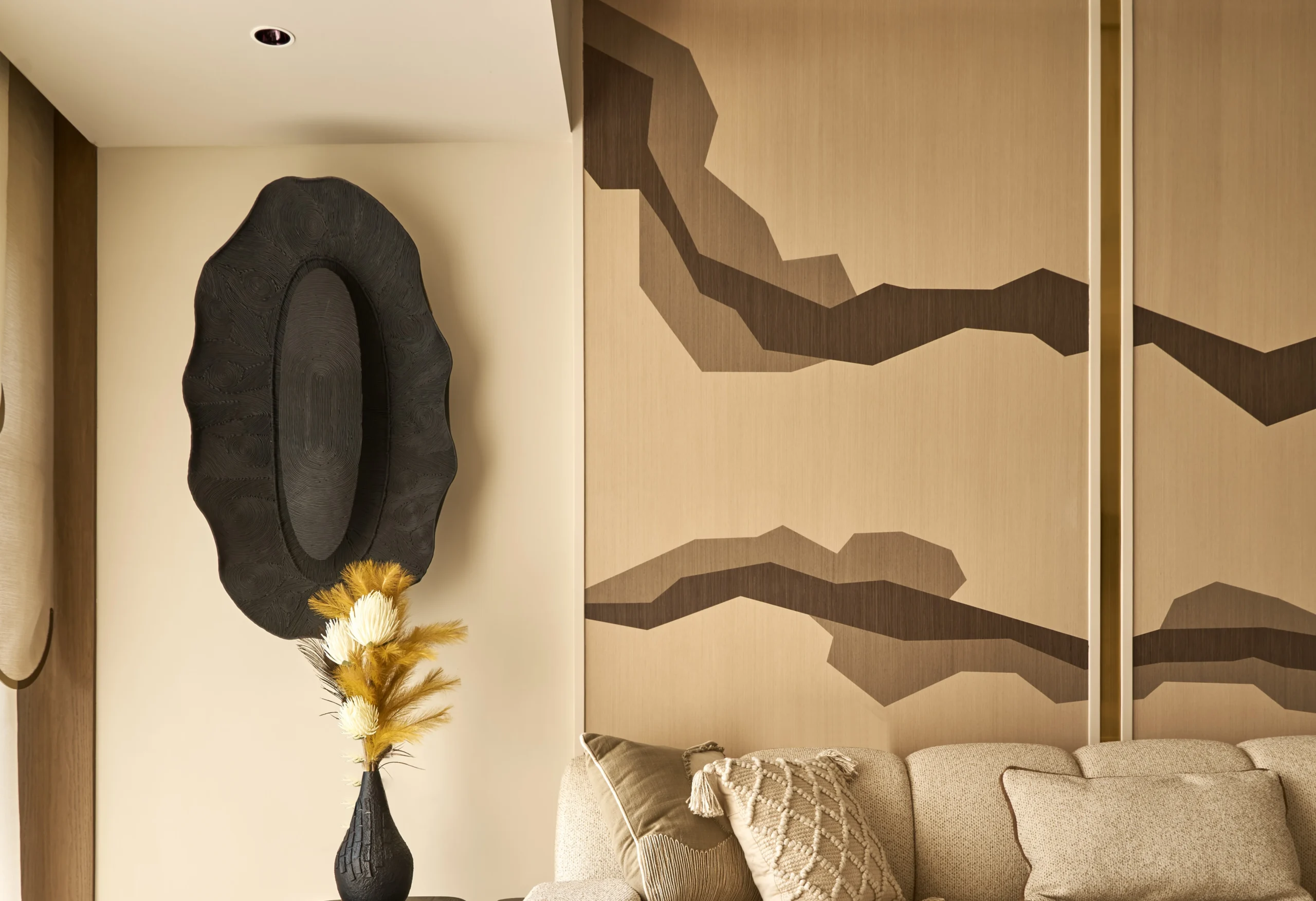
Marquetry is a technique: the craft of cutting veneer into many small pieces and fitting them together to form a pattern or a picture. "Marquetry veneer" refers to the veneer selected and cut for that work, and to the finished panel it produces once bonded to a substrate. The design comes from the wood itself, not from paint or print. Each piece is chosen for its species, colour and grain direction.
At Venzo, this work is called Artistry. This guide covers how an Artistry panel is made, how marquetry differs from inlay, parquetry and veneer matching, and where to use it.
How Marquetry veneer is made ?
Traditional marquetry involved drawing patterns, cutting individual veneer pieces by hand using knives or fret saws, and fitting them together to form a complete composition. The process relied heavily on manual precision, material selection and the craftsperson's ability to achieve close-fitting joints.
Today, digital drawing and laser-cutting technology have expanded the possibilities. Designs can be developed digitally, translated into individual cut components and assembled with greater precision and repeatability. The underlying principle remains the same: bringing separate pieces of veneer together to create a unified design.
How Contemporary Marquetry Is Made
Design development — The composition is drawn and divided into individual veneer components.
Veneer selection — Species, shades, grain patterns and grain direction are chosen for each component.
Digital preparation — The drawing is converted into cut-ready files, with allowances for accurate fitting.
Precision cutting — Individual pieces are cut using laser technology or other suitable cutting methods.
Assembly and alignment — The pieces are fitted together, checked and joined into the complete composition.
Pressing and bonding — The assembled veneer is bonded to the specified substrate.
Surface preparation — The panel is levelled and prepared for finishing.
Finishing — The selected finish brings out the contrast, depth and character of the veneer.
Specifying marquetry: What Architects and Designers need to settle
Most marquetry problems are specification problems. Settle these six points before the drawing is approved.
|
Decision |
Why it matters |
|---|---|
|
Design and species palette |
Fixes colour, contrast and cost. More species and finer pieces mean more cutting time and a higher price. |
|
Substrate |
Plywood, MDF or a Fleeceback. It decides flatness, weight, fixing method and compliance. |
|
Panel size and joints |
Large walls are built as modules. Plan where the joints fall so they read as part of the design. |
|
Finish and sheen |
Matt, satin or gloss changes how the species contrast. Approve it on a sample, not on a swatch. |
|
Light exposure |
Wood moves in tone under UV. Direct sun fades some species faster than others, so position and glazing matter. |
Care. Keep marquetry away from standing moisture and heat sources. Dust with a dry soft cloth. Avoid abrasive or wax-heavy cleaners, which cloud the finish and can seep into joints.
Marquetry veneer: Frequently Asked Questions
What is the difference between Marquetry and veneer?
Is Marquetry the same as Inlay?
Can Marquetry be used on walls?
How thick is Marquetry veneer?
Can Marquetry be customised?
Design your Marquetry with us today
Every Artistry panel starts with a brief. Bring us the space, the palette or the image, and we will take it from drawing to sample. See the species, joints and finish under real light at our experience centers, alongside raw flitches and finished samples.